
A guide to low fat foods
Doctors may advocate eating a low fat diet because calories from fat are higher per gram than those from protein or
Some high fat foods — such as cookies, cakes, french fries, and greasy foods — may also have less nutritional value than healthful options such as fruits and vegetables.
Although fat is an essential part of a person's diet, there are "good fats" and "bad fats." Knowing the difference can help a person make informed choices about their meals.
In this article, we list some low fat foods and the benefits of a low-fat diet. We also look at a sample mix-and-match meal plan.
Low fat foods list
Low fats foods are people who have 30% in their energy or much less from fat. So, if a meals incorporates fewer than three grams of fat according to 100 calories, it's far a low fats meals.
To determine if a meals is low fats, someone can read its nutrients label.
It is vital to study the part of the label that lists specific values, as many manufacturers label ingredients as "low fat" regardless of them having a fairly excessive fats content material.
Examples of low fat ingredients someone can include into their weight loss plan encompass:
Cereals, grains, and pasta merchandise
corn or complete wheat tortillas
baked crackers
maximum bloodless cereals
noodles, specially complete grain variations
oatmeal
rice
complete grain bagels
English cakes
pita bread
Dairy products
Dairy products may be excessive in fats, however food producers often provide lower fats variations. These include:
fat free cheese
fats loose or "skim" milk or yogurt
mild or fats unfastened cream cheese
low fat cottage cheese, milk, or yogurt
Some nondairy yogurts also are low fats.
Protein assets
cooked tofu in a bowl
Tofu is a superb low fats protein source.
Beans
lentils
tofu
egg whites
lean cuts of meat
lentils
tuna
peas
shrimp
skinless hen or turkey breast
veggie burgers
Fruits and greens
Fruits and greens are clearly low fats. Choose sparkling, frozen, or canned options.
Miscellaneous foods
Additional meals that can be part of a low fats food plan encompass:
mustard
sauces containing skim milk
salsa
vegetable based broth soups
popcorn
honey
jam
light salad dressings, or truely lemon juice and balsamic vinegar
Benefits
When considering a low fat diet, it is important to remember that not all fat types are unhealthful. The key is to eat a varied diet of nutritious, natural foods and avoid those high in saturated or trans fats.
Manufacturers add saturated fats or trans fats to foods to extend their shelf life. These types of fat are also present in fried foods.
These types of fat can increase a person's low density lipoprotein complications.
On the other hand, polyunsaturated — such as and omega-6 fatty acids — and monounsaturated fats can be beneficial to the body. These fats are present in nutritious foods such as:
- salmon
- avocado
- almonds
- cashews
- seeds
- tahini
- walnuts
Diets that are very high in fat from processed and fast foods tend to contain less nutritional value than lower fat diets that include a mix of fresh fruits, vegetables, whole grains, and lean proteins.
Meal plan
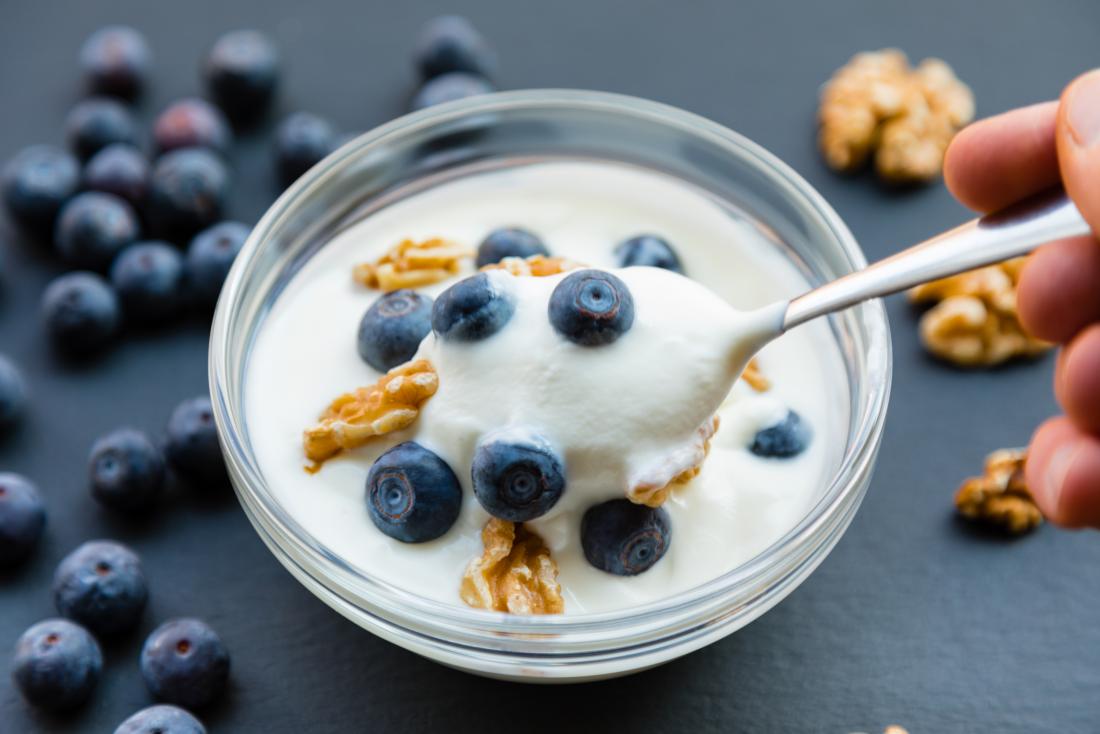 The AHA recommend 3 servings of low fat or fat free dairy products per day.
The American Heart Association (AHA) recommend the following as part of a healthful eating pattern:
- Dairy products: A person should aim to consume 3 servings of low fat or fat free dairy products per day.
- Fruit: People should try to eat 4 servings of canned, dried, fresh, or frozen fruits each day.
- Oils: Aim for up to 3 tablespoons of polyunsaturated or monounsaturated canola, olive, peanut, safflower, or sesame oils every day.
- Proteins: Try to consume 1–2 servings of eggs, non-fried fish, lean meats, legumes, nuts, seeds, or skinless turkey or chicken per day.
- Vegetables: Aim to eat 5 servings of canned, dried, fresh, or frozen vegetables each day.
- Whole grains: A person should aim to consume 3–6 servings of grains — such as bread, brown rice, barley, crackers, or oatmeal — every day.
The following meal plan is low in fat:
Breakfast could comprise oatmeal with honey, frozen and raisins, plus a cup of orange juice.- Lunch could comprise a tuna and cucumber wrap, a boiled egg, and a quarter of a cup of low fat vanilla yogurt.
- Dinner could comprise spaghetti with homemade tomato sauce, vegetables, and lean meatballs or a vegetarian alternative.
- Snacks could be carrot sticks with hummus dip or whole grain crackers.
also offers samples of 2-week menus of low fat meals.
When preparing meals, a person should be mindful of the amount of oil they use. Cooking the food in a non-stick pan may help reduce the amount necessary.
Summary
Adopting a low fat diet can be a positive approach to healthful eating. It is vital to keep eating beneficial fats, such as those from fish, avocado, and seeds.
Eliminating unhealthful fats, however, can have a positive impact on a person's weight, heart health, and overall well-being.
If a person has questions on the type of diet they should follow for their health, they should talk to their doctor.
About Farhan

No comments